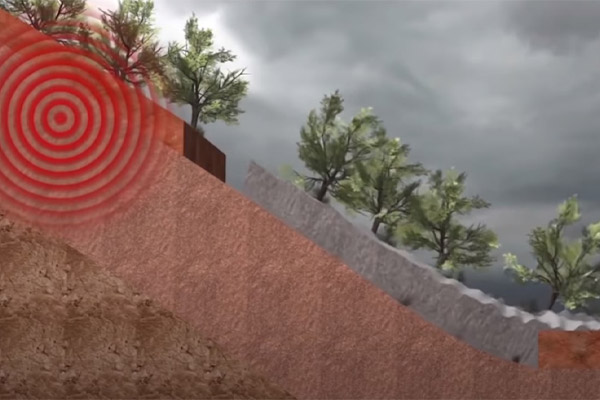
A slope stability analysis is a critical step in the design and construction of structures built on or adjacent to sloping ground.
The main reasons for performing a slope stability analysis are:
1. Safety
The primary reason for conducting a slope stability analysis is to ensure the safety of people and property located on or near the slope. Slope failure can lead to landslides, rockfalls, or other catastrophic events that can cause injury or even death.
2. Protection of infrastructure
Slope instability can also damage or destroy infrastructure, such as buildings, roads, bridges, and pipelines. A slope stability analysis can help to identify potential hazards and provide guidance on how to mitigate them.
3.Compliance
Regulatory authorities often require a slope stability analysis to ensure that new developments meet safety and environmental standards.
The process of conducting a slope stability analysis typically involves:
1. Site investigation
This involves collecting data on the soil and rock characteristics, groundwater conditions, and other site factors affecting slope stability.
2. Analysis of slope stability
This involves assessing the stability of the slope under different conditions, such as rainfall, seismic activity, or changes in groundwater levels.
3. Design of mitigation measures
Based on the analysis, mitigation measures may be recommended, such as drainage systems, retaining walls, or slope reinforcement.
4. Monitoring and maintenance
Once the mitigation measures are implemented, it is important to monitor their effectiveness and perform regular maintenance to ensure continued stability.
Overall, a slope stability analysis is a critical step in ensuring the safety and long-term stability of structures built on or adjacent to sloping ground. It helps to identify potential hazards and provides guidance on how to mitigate them, which can prevent catastrophic events and protect people, property, and infrastructure.
soil eng geotechnical engineering
With Over 30 Years Experience, We Have The Expertise For Any Job
Soil Eng provides comprehensive and efficient services across the full breadth of geotechnical engineering, including investigation, analysis, design, and reporting.