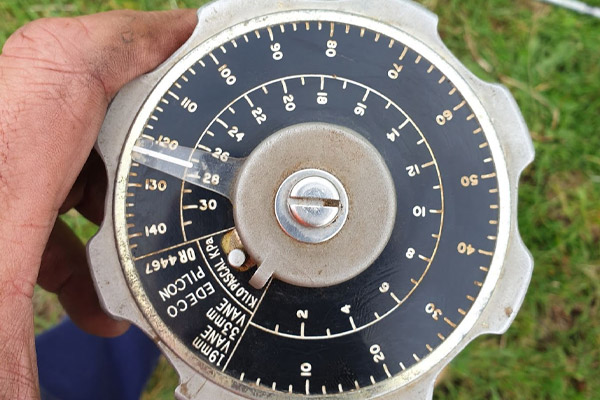
The purpose of carrying out earthworks compaction control is to ensure that the soil being used for construction or engineering purposes is compacted to a specified level of density and strength. Compaction control involves using specialised equipment and techniques to compact soil and test its density and strength to ensure that it meets the required standards.
The main reasons for carrying out earthworks compaction control are:
1. To ensure the stability of the foundation
Compaction control helps to ensure that the soil used as a foundation for buildings, roads, bridges, and other structures is stable and can support the weight of the structure without settling or shifting.
2. To prevent soil settlement
Compaction control helps to prevent soil settlement by ensuring that the soil is compacted to a high enough density to resist the weight of the structure and any external loads.
3.To reduce soil erosion
Compacted soil is less prone to erosion, which helps to prevent soil erosion and maintain the integrity of the surrounding landscape.
4. To improve the performance of pavements
Compacted soil is essential for constructing durable and long-lasting pavements, such as roads and parking lots. Proper compaction ensures that the pavement can withstand the weight of vehicles and other loads without developing cracks or other damage.
Overall, the purpose of carrying out earthworks compaction control is to ensure that the soil used for construction or engineering purposes is stable, durable, and able to withstand the required loads and stresses. This helps to ensure the safety and reliability of structures and infrastructures and to minimise the risk of failure or damage.
soil eng geotechnical engineering
With Over 30 Years Experience, We Have The Expertise For Any Job
Soil Eng provides comprehensive and efficient services across the full breadth of geotechnical engineering, including investigation, analysis, design, and reporting.